
-
Eine Nachricht hinterlassen : info@aabindustrygroup.com
-
Telefon : +86 13951823978
Suchen
WONACH SUCHST DU?
Eine Nachricht hinterlassen : info@aabindustrygroup.com
Telefon : +86 13951823978

Hochleistungsfähige, transparente, blau getönte weiße Pigmentpaste ist aufgrund ihrer speziellen Partikelstruktur schwer zu vermahlen. Heute möchten wir Ihnen eine Standardherstellungsmethode vorstellen.transparenter blauer Ton Weiße Pigmentpaste mit Kmeris Mikro-Nano-Titandioxid Mikro-Titandioxid RM-530L, welches eine Alternative zu UV-TITAN L 530 darstellt.
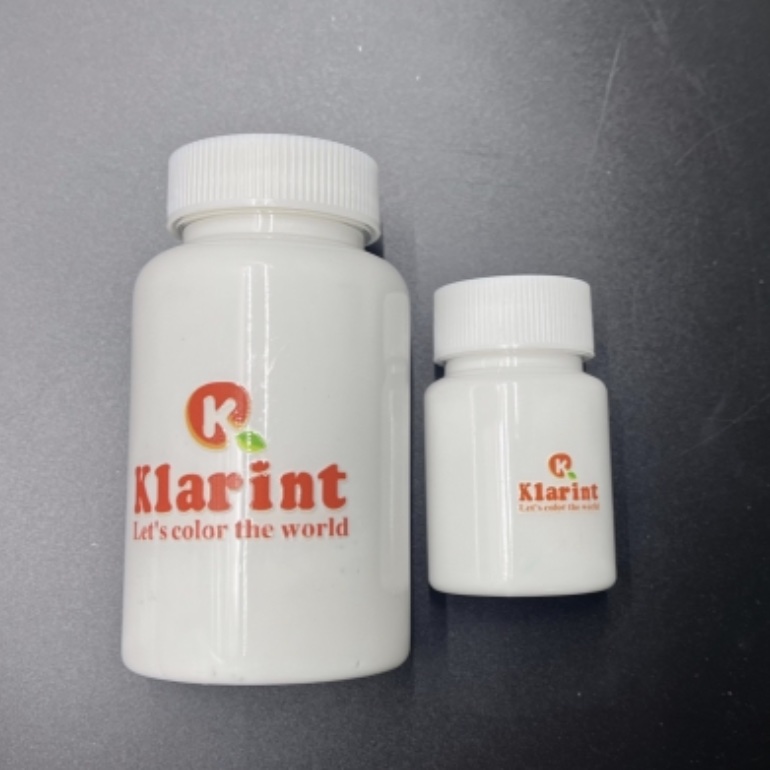
Ausgehend von dem Grundprinzip, dass Nanomaterialien gründlich benetzt und vermahlen werden müssen, um Agglomerate aufzubrechen und eine optimale Dispersion zu erreichen, eignen sich die unten beschriebene Formulierung und das Verfahren für die meisten Autoreparaturlacke und allgemeine industrielle Anwendungen mit lösemittelhaltigen Produkten.
Für allgemeine lösemittelbasierte Systeme wird folgende Rezeptur empfohlen, die sich besonders für Autoreparaturlacke eignet:
| Komponente | Funktion | Gewichtsprozent |
|---|---|---|
| Lösungsmittel (Butylacetat) | Lösungsmittel / Verdünnungsmittel | 13,5 % |
| Kmeris Nano-Titandioxid | Pigment | 30,0 % |
| Dispergiermittel KBS-F500/50 | Netz- und Dispergiermittel | 5,0 % |
| Acrylharz | Binder / Filmbildner | 51,5 % |
| Gesamt | 100,0 % |
Bemerkung:
BYK-180 kann als Ersatz für KBS-F500/50 verwendet werden.
Bei einer Substitution sollte die Dosierung von BYK-180 anhand seiner Leistungsmerkmale angepasst werden.
Um das Gleichgewicht der Gesamtformulierung zu erhalten, sollten entsprechende Anpassungen am Lösungsmittelgehalt vorgenommen werden.
| Artikel | Spezifikation / Anforderung |
|---|---|
| Kugelmühle / Sandmühle | Horizontale oder vertikale Sandmühle |
| Mahlmedien | Zirkonia-Perlen, Durchmesser 1,0 – 1,5 mm |
| Füllverhältnis der Perlen | 70 % – 80 % des Mahlkammervolumens |
| Mischgefäß | Geeigneter Behälter zum Vormischen |
| Hochgeschwindigkeitsdisperser | Zur Vordispersion vor dem Mahlen |
Alle Bestandteile der Formulierung werden entsprechend den oben aufgeführten Prozentwerten abgewogen.
Das Lösungsmittel (Butylacetat) wird in ein sauberes Mischgefäß gegeben.
Das Dispergiermittel (KBS-F500/50 oder BYK-180) und das Acrylharz werden zum Lösungsmittel gegeben und gründlich vermischt, bis eine homogene Masse entsteht.
Das Kmeris Nano-Titandioxid-Pulver wird unter ständigem Rühren nach und nach zur flüssigen Mischung gegeben.
Rühren Sie bei mäßiger Geschwindigkeit weiter, bis alle Pigmentpartikel benetzt sind und eine gleichmäßige Paste entstanden ist.
Falls verfügbar, verwenden Sie einen Hochgeschwindigkeitsdisperser bei 1.500–2.500 U/min für 10–15 Minuten, um eine erste Dispersion zu erreichen und große Agglomerate aufzubrechen.
Übertragen Sie die vorgemischte Paste in den Trichter der Sandmühle oder in den Vorratsbehälter.
Stellen Sie sicher, dass die Mahlkammer mit Zirkonoxidkugeln (1,0–1,5 mm Durchmesser) gefüllt ist. Füllgrad 70 %–80 %.
Schalten Sie die Mühle ein und lassen Sie die Paste durch die Mahlkammer zirkulieren.
Betreiben Sie die Mühle in Rezirkulationsmodus — die Paste so lange zirkulieren lassen, bis die gewünschte Feinheit erreicht ist.
Nehmen Sie regelmäßig Proben aus der zirkulierenden Paste.
Messen Sie die Partikelfeinheit mit einem Heitman-Messgerät / Schleifmesser (Mahlfeinheitsanzeige).
Mahlen Sie weiter, bis die gewünschte Feinheit erreicht ist (typischerweise ≤ 5–10 μm für Nano-TiO₂-Pigmentpasten oder gemäß den spezifischen Anforderungen des Endverwendungszwecks).
Sobald die gewünschte Feinheit erreicht ist, wird die fertige Pigmentpaste aus der Mühle entnommen.
Falls erforderlich, filtern Sie die Paste durch ein Sieb oder einen Filterbeutel, um zu große Partikel oder abgenutzte Kügelchen zu entfernen.
| Parameter | Empfohlener Wert |
|---|---|
| Vormischgeschwindigkeit | 1.500 – 2.500 U/min |
| Vormischzeit | 10 – 15 Minuten |
| Perlengröße | 1,0 – 1,5 mm (Zirkonoxid) |
| Füllverhältnis der Wulst | 70 % – 80 % |
| Fräsmodus | Rezirkulation (Schleifenfräsen) |
| Mahltemperatur | Um eine Harzzersetzung zu vermeiden, muss die Temperatur unter 45–50 °C überwacht und geregelt werden. |
| Zielfeinheit | Wie angegeben (typischerweise ≤ 5–10 μm) |
Nach der Vorbereitung sollten folgende Qualitätsparameter überprüft werden:
| Parameter | Prüfverfahren | Akzeptanzkriterien |
|---|---|---|
| Mahlfeinheit | Grindometer (Heitman-Messgerät) | Gemäß Spezifikation |
| Viskosität | Ford-Becher- oder Rotationsviskosimeter | Innerhalb der Zielreichweite |
| Fester Inhalt | Ofentrocknungsmethode | Matching-Formulierung |
| Farbstärke | Spektralphotometer vs. Standard | Zulässige Toleranz |
| Lagerstabilität | 7-Tage-/30-Tage-Alterungstest | Keine Absetzbildung oder Viskositätsdrift |
Benetzung ist entscheidendNano-Titandioxid besitzt eine große Oberfläche und neigt stark zur Agglomeration. Stellen Sie sicher, dass das Dispergiermittel vollständig im Lösungsmittelsystem gelöst ist, bevor Sie das Pigment hinzufügen.
TemperaturregelungBeim Mahlen kann Reibung zu einem Temperaturanstieg führen. Übermäßige Hitze kann das Harz schädigen oder die Dispersionsqualität beeinträchtigen. Verwenden Sie nach Möglichkeit einen Kühlwassermantel und halten Sie die Mahlwerkstemperatur unter 45–50 °C.
Füllverhältnis der PerlenEine Füllrate von 70–80 % ist für effizientes Mahlen unerlässlich. Geringere Füllraten verringern die Mahlleistung, während höhere Werte zu übermäßiger Wärmeentwicklung oder Verstopfungen der Mühle führen können.
DispergiermittelanpassungBei Verwendung von BYK-180 als Ersatz für KBS-F500/50 kann die optimale Dosierung variieren. Es wird empfohlen, vor der Produktion im großen Maßstab einen Versuch im kleinen Maßstab durchzuführen, um die optimale Dispergiermittelmenge zu ermitteln.
LösungsmittelanpassungJegliche Änderung der Art oder Dosierung des Dispergiermittels sollte durch eine Anpassung des Lösungsmittelgehalts kompensiert werden, um die Gesamtformulierung bei 100 % zu halten.
LagerungDie fertige Pigmentpaste in verschlossenen Behältern aufbewahren, vor direkter Sonneneinstrahlung und Wärmequellen schützen, um die Verdunstung des Lösungsmittels und die Bildung einer Haut zu verhindern.



Hi! Click one of our members below to chat on